Archive • Exhibitions
The Atelier without its artist: An ode to Francisco Félix
Archive
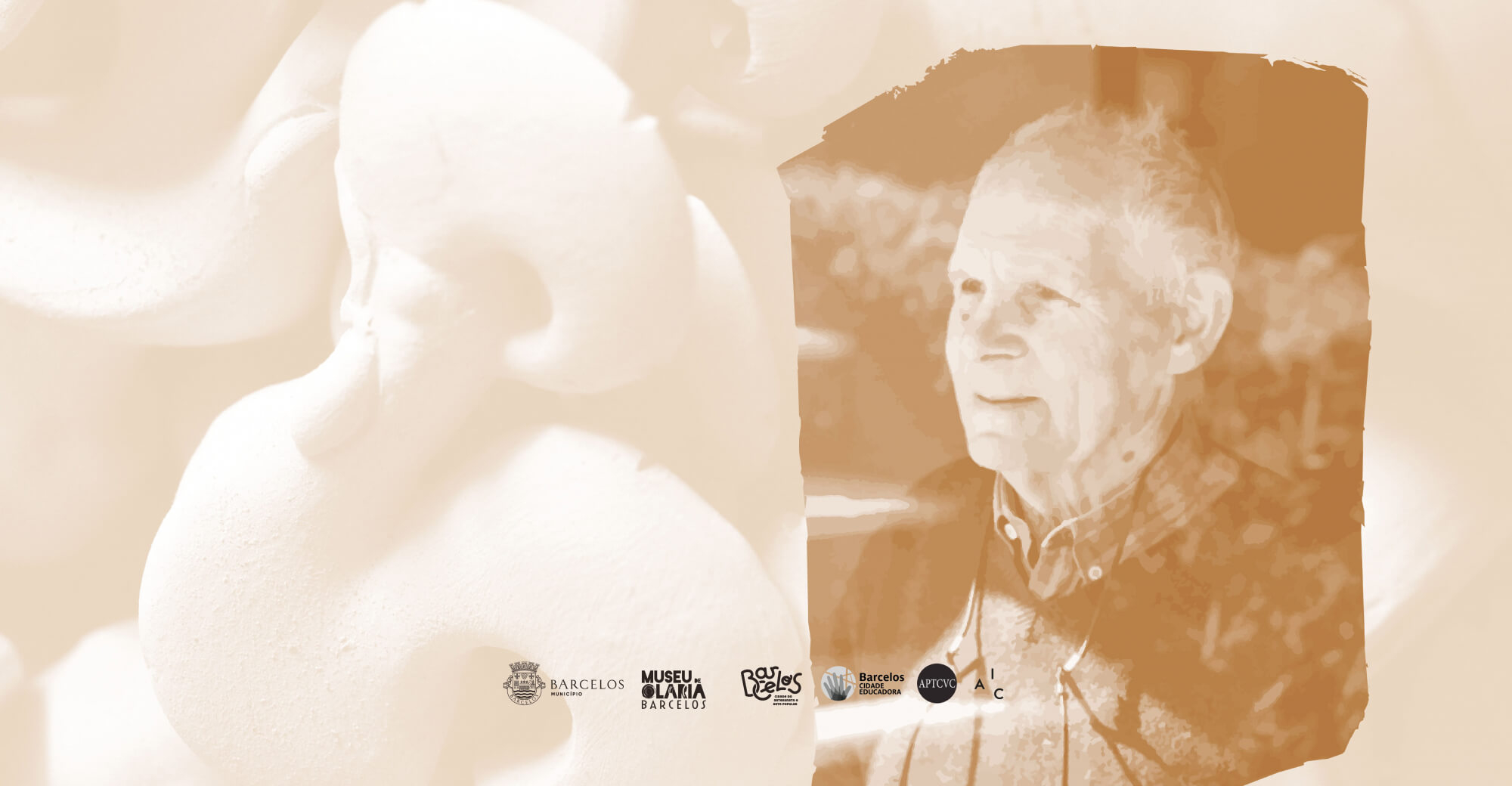
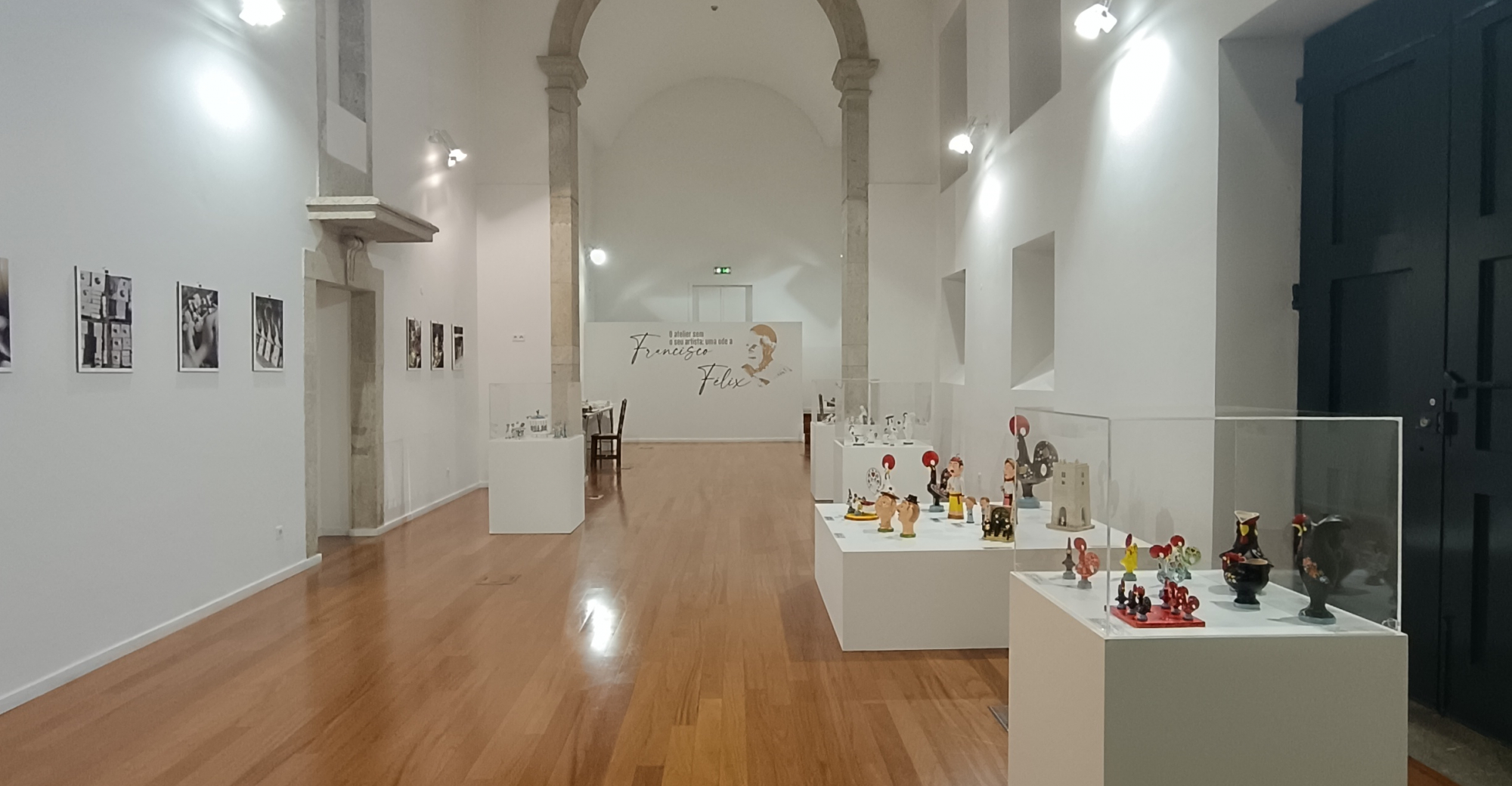
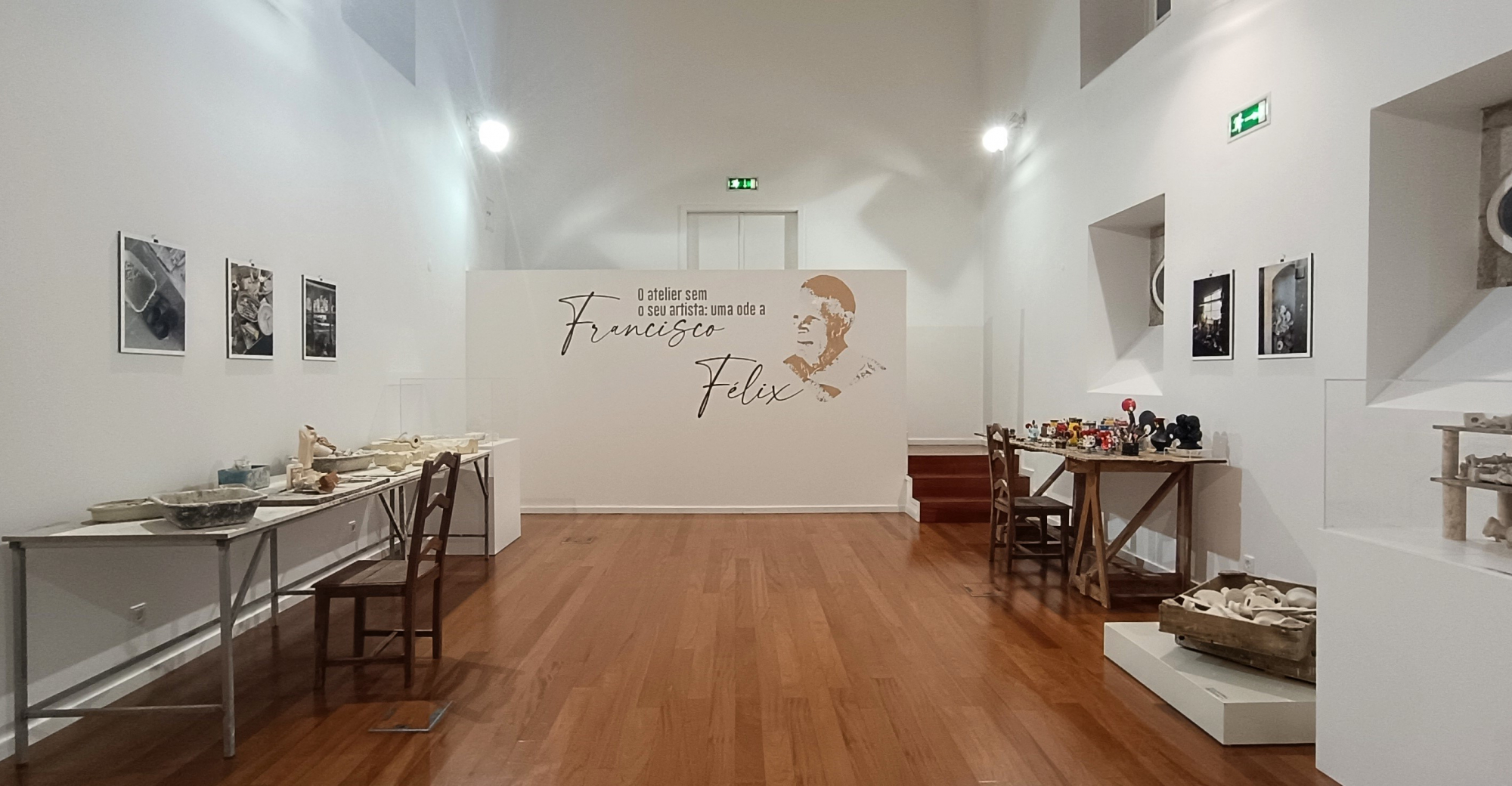
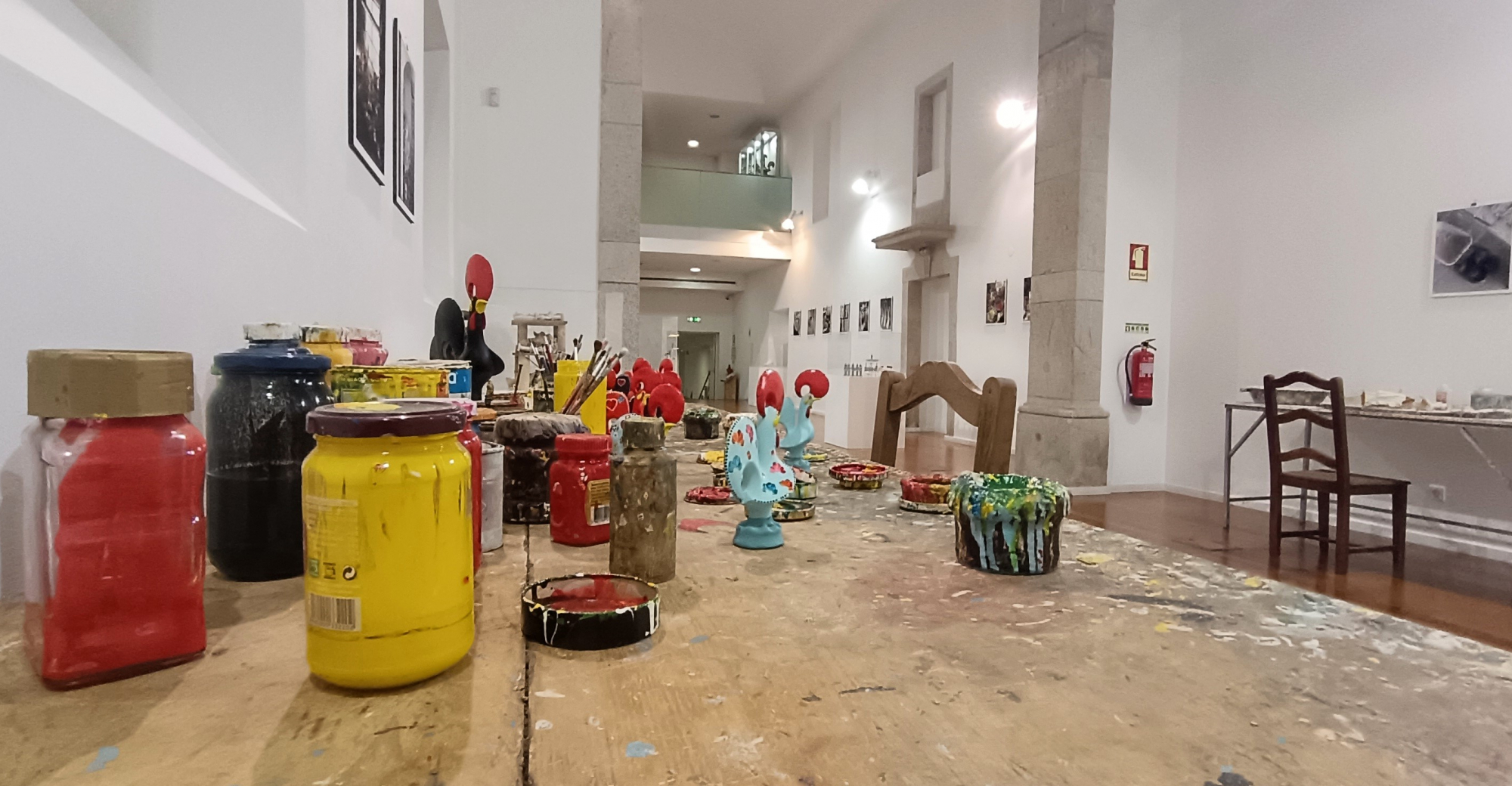
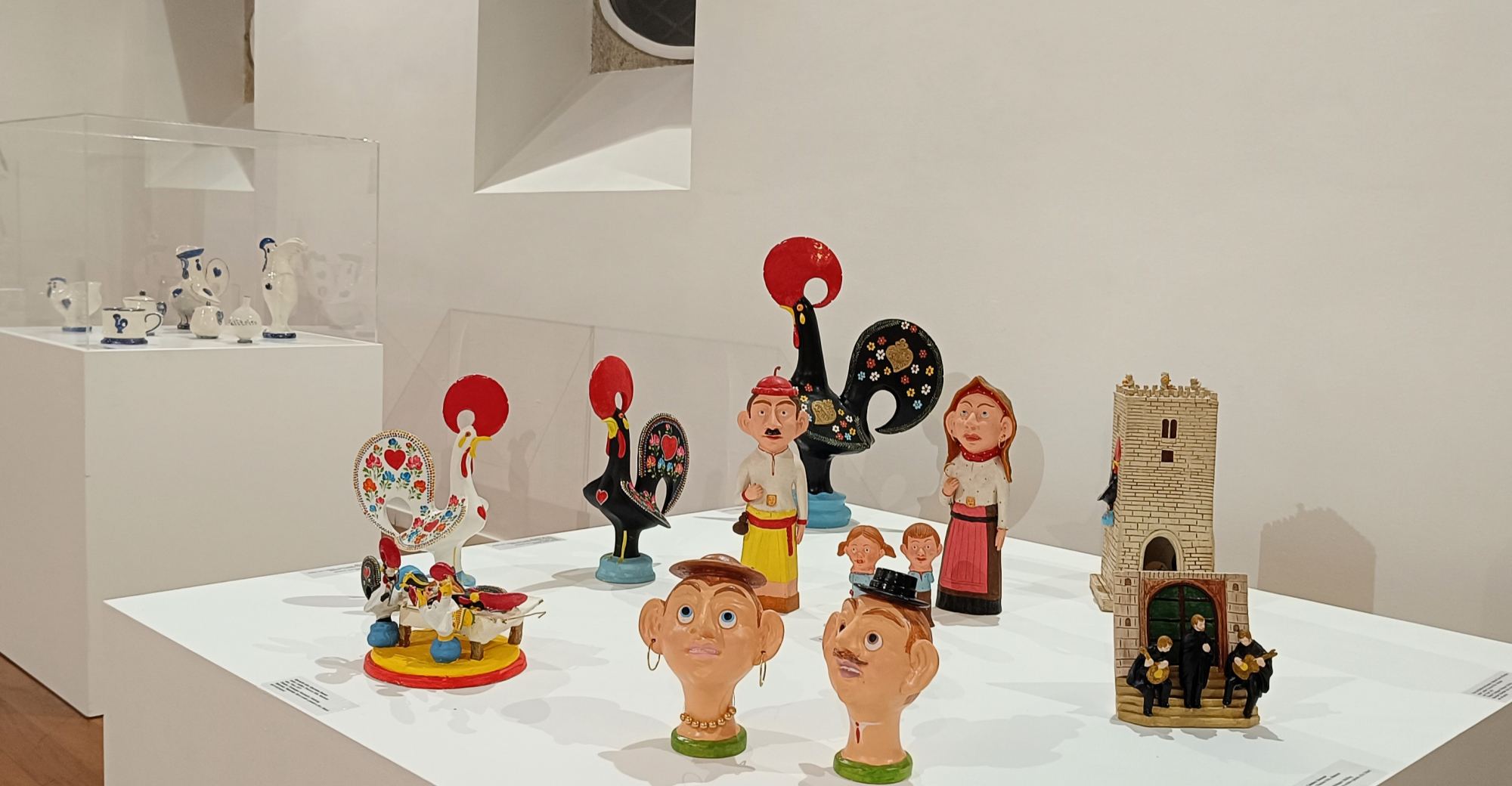
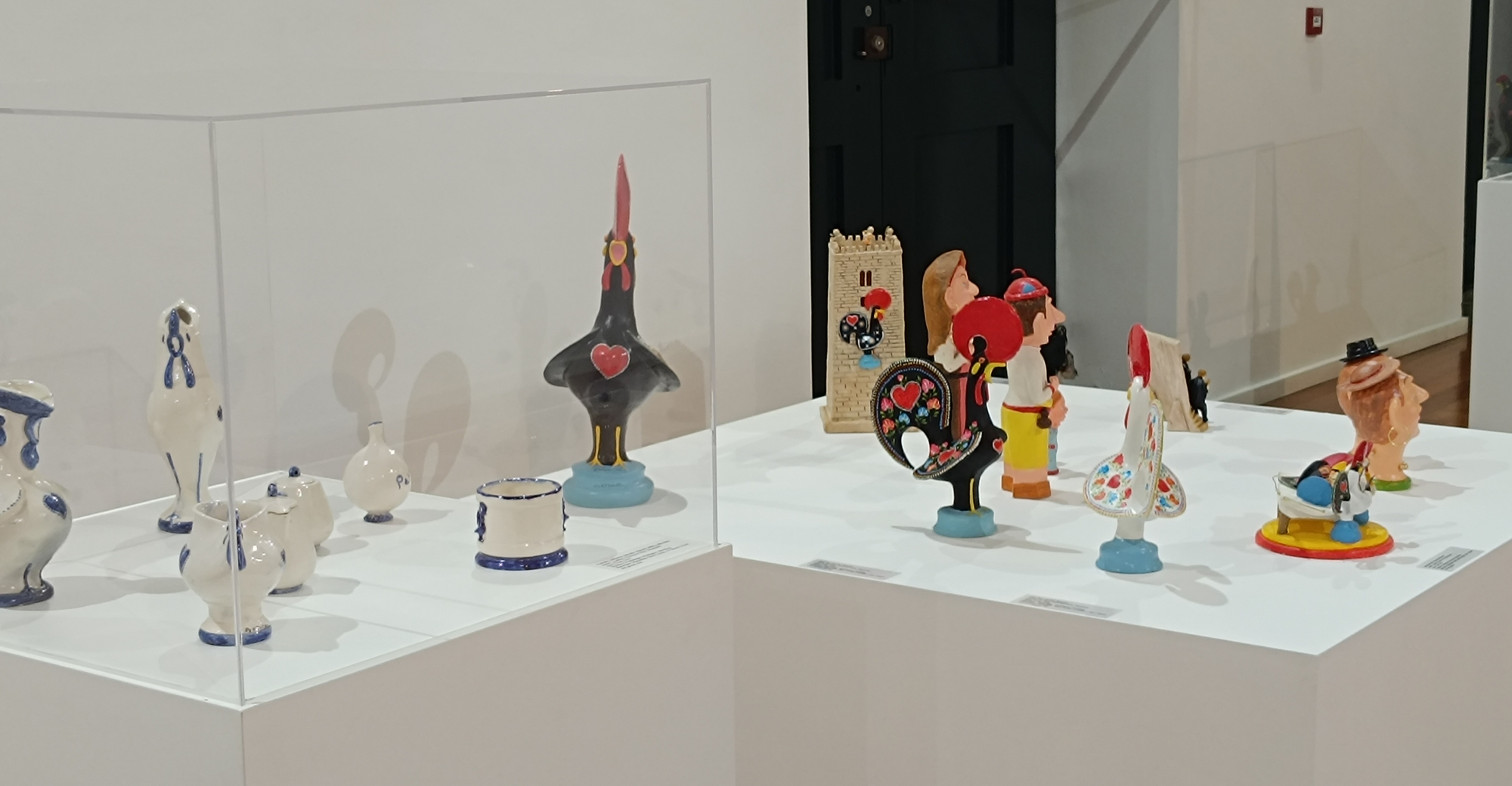
This exhibition offers a retrospective of the atelier, his artistic legacy, and what remained unfinished from a life wholly devoted to art, through the lens of photographs by João Falcão, captured over the two years following Francisco's passing — his grandfather. Each photograph reveals unfinished pieces, now-empty workspaces, tools still bearing his touch, and even the pair of shoes he wore while working, now a silent echo of his presence. The exhibition invites visitors to discover the pieces that form his legacy — each work is more than shaped clay; it is an expression of Francisco Félix’s creativity, transcending time and physical absence. At the heart of the exhibition lie the unfinished works, pieces left in waiting — forms yet to be transformed in the kiln’s fire. “The Atelier Without Its Artist” is more than an art exhibition; it is a tribute to the creative process that lives on beyond the life of Francisco Félix.
Francisco Esteves Araújo, known as Francisco Félix, was born on 5 December 1933, in Galegos (Santa Maria), Barcelos, the third of ten children. He was the son of Félix da Costa Araújo and Maria de Jesus Esteves, and was baptised by master potter Francisco de Sousa (Francisco do Monte), from Areias, Barcelos.
Raised in a family with a strong ceramic tradition, Francisco began accompanying his parents at a very young age, helping in the production and sale of ceramics at fairs across the country, especially in the Trás-os-Montes, Alto Douro, and Beiras regions. Spending long periods away from home gave him the opportunity to encounter diverse realities and develop a unique perspective that set him apart from his peers.
At the age of 26, he married Maria Zulmira Fonseca Falcão and established his own workshop in Aldeia, Galegos Santa Maria, where he created a wide variety of pieces, including his distinctive open-beaked rooster. Later, following the death of his father-in-law, he began working at the family business, “Sociedade Decorativa de Louças de Barcelos, Lda.”, in Manhente, which specialised in the production and sale of decorative ceramics both nationwide and for export.
During this time, Francisco became responsible for the production of decorative pieces, including modelling and mould-making, and collaborated with several national and Galician artists. He was highly sought after to bring their sketches to life.
In his limited spare time, he continued to craft traditional pieces on the wheel, such as “caretos” and giant-headed figures (“cabezudos”). After retiring, he set up his own atelier, where, with the support of his wife — a skilled painter — he focused on producing decorative items, including open-beaked roosters, bandstands, musicians, nativity scenes, and figurines. From that time onwards, he also applied glazing techniques to utilitarian pottery — a skill he had learned as a child at his paternal grandmother’s home. Later, at the request of Barcelos City Council, he conducted several ceramic painting workshops for tourists and visitors at the city’s Tourism Office.
For his invaluable contribution to Barcelos’ handicraft tradition, Barcelos Municipality paid tribute to him posthumously.
Francisco Félix was undoubtedly a talented craftsman, who made a significant contribution to the promotion and preservation of the figurative tradition of Barcelos. He collaborated with other artists and left a lasting legacy in the world of craftsmanship.
View location on map